


Dr. Altaf Arain, Dr. Tariq Deen McMaster School of Earth, Environment, and Society
Dr. Dawn Martin Hill McMaster Indigenous Studies Emeritus Ohneganos Lead, Six Nations Polytechnic
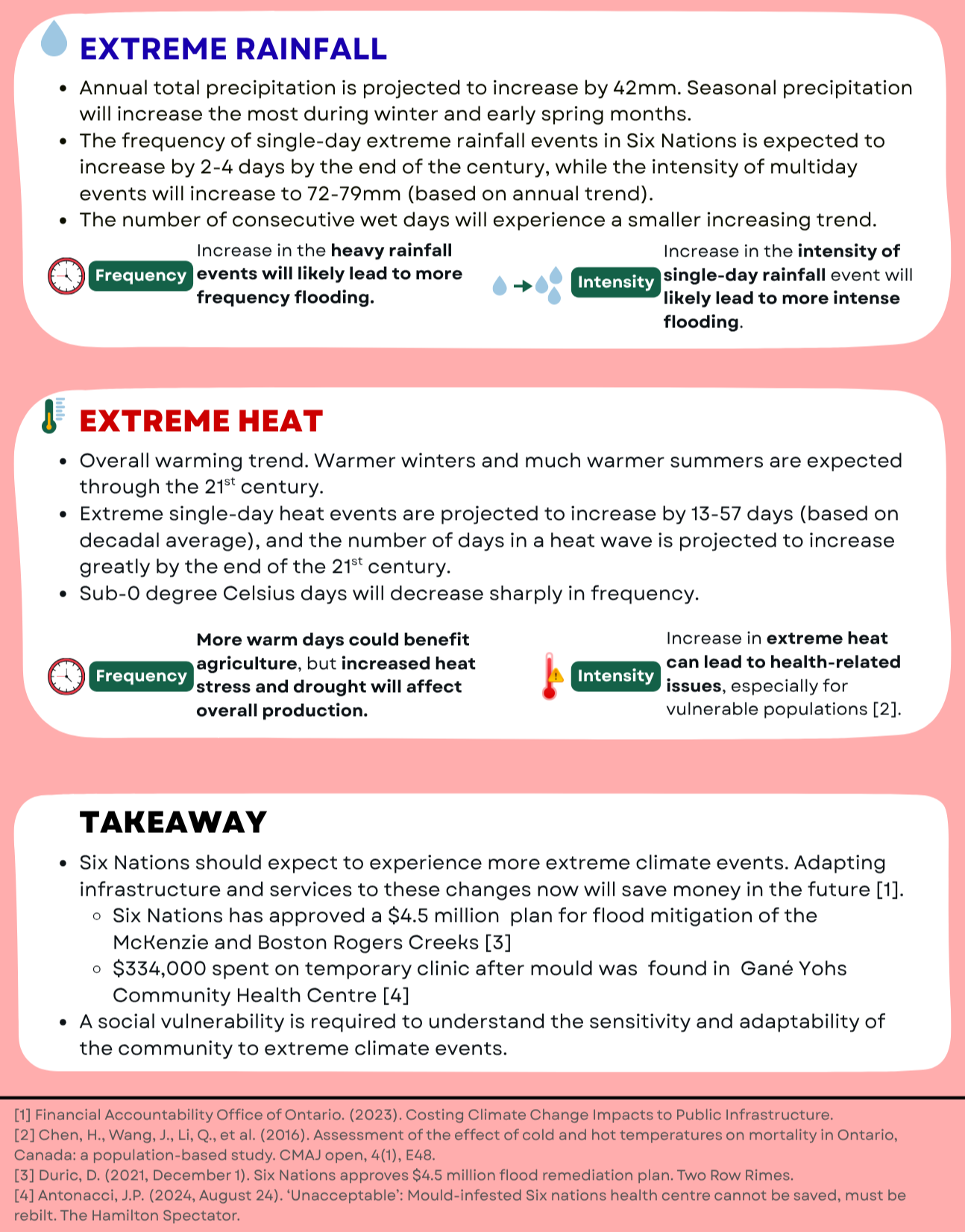
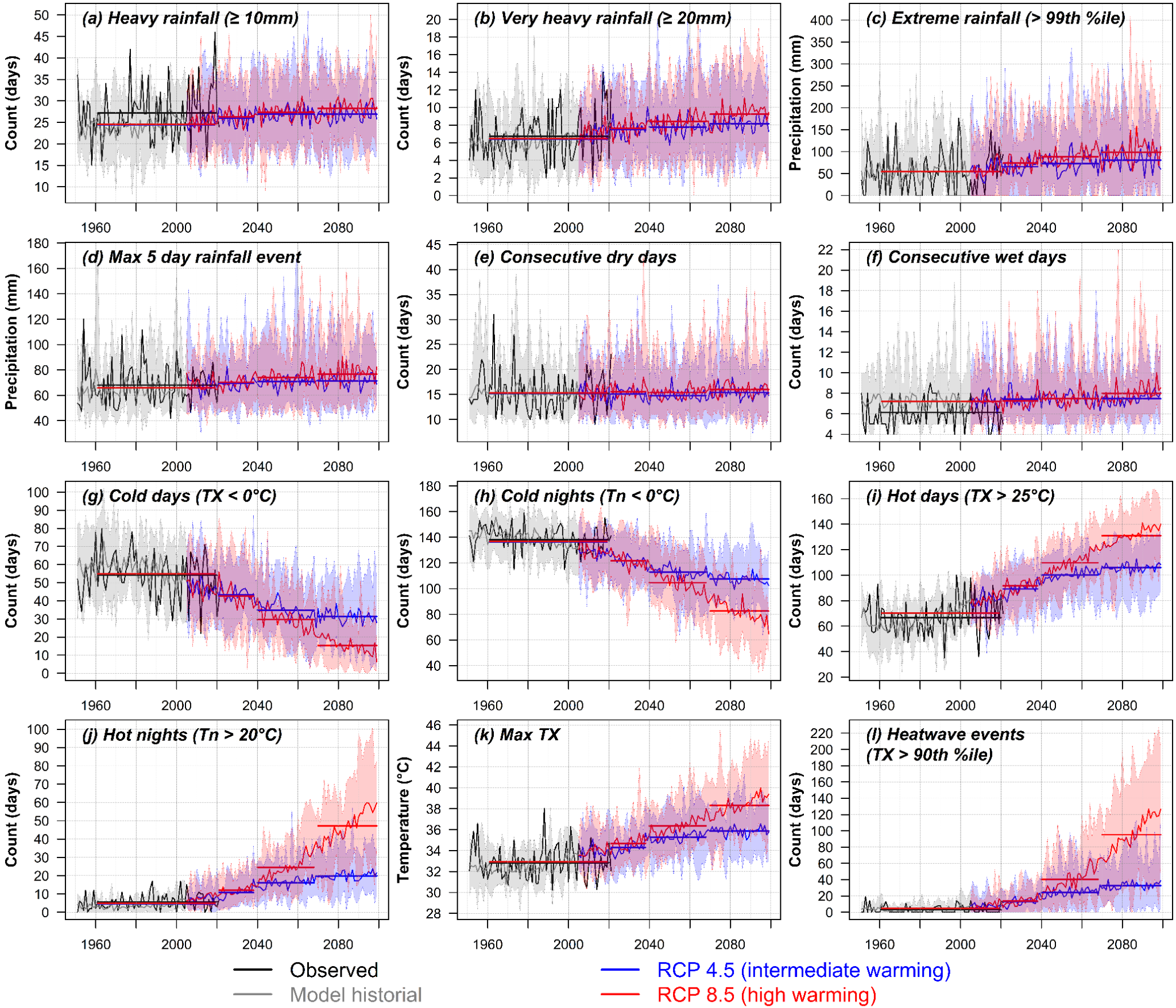
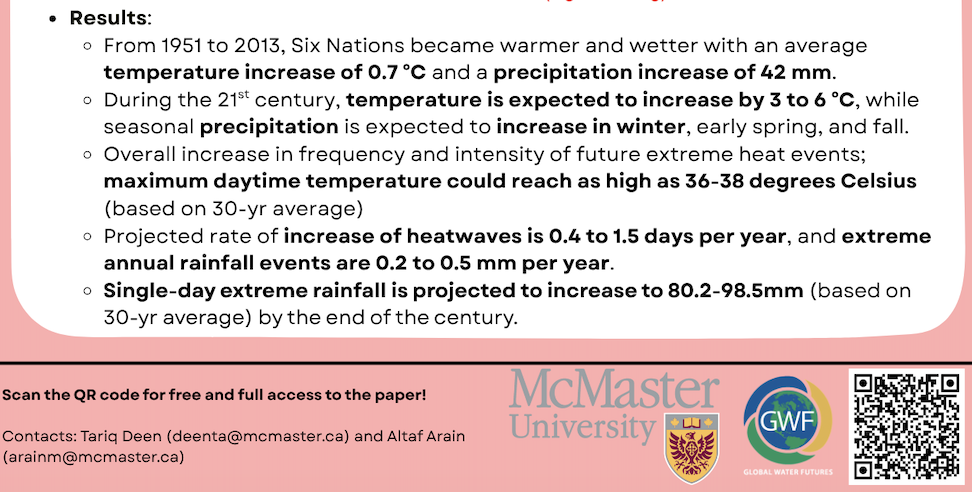
Climate change is intensifying extreme hydrometeorological events by altering hydrological cycles and energy balances. Rising global temperatures increase evaporation, leading to heavier rainfalls, floods, and more intense storms. Warmer air holds more moisture, amplifying precipitation extremes, while prolonged heatwaves and droughts worsen water scarcity. While climate change is a global issue, its impacts will ultimately be felt at a local level. For example, it would cost $171-322B to maintain Ontario's public transportation infrastructure in the absence of any adaptation.Six Nations of the Grand River and Climate Change Extreme Climate Events
Water Scarcity in McKenzie Creek
Climate change is making water less reliable in southern Ontario. Warmer temperatures are drying up soils and water reserves, while unpredictable rainfall and higher temperatures are leading to longer dry spells. Even when rain does come, dry, compacted soil makes it harder for water to be absorbed, often leading to surface runoff into lakes and streams or overwhelming drainage systems. Growing cities and farms need more water, but supplies are becoming limited, especially in summer when demand is highest. This strains communities, ecosystems, and agricultural activities. 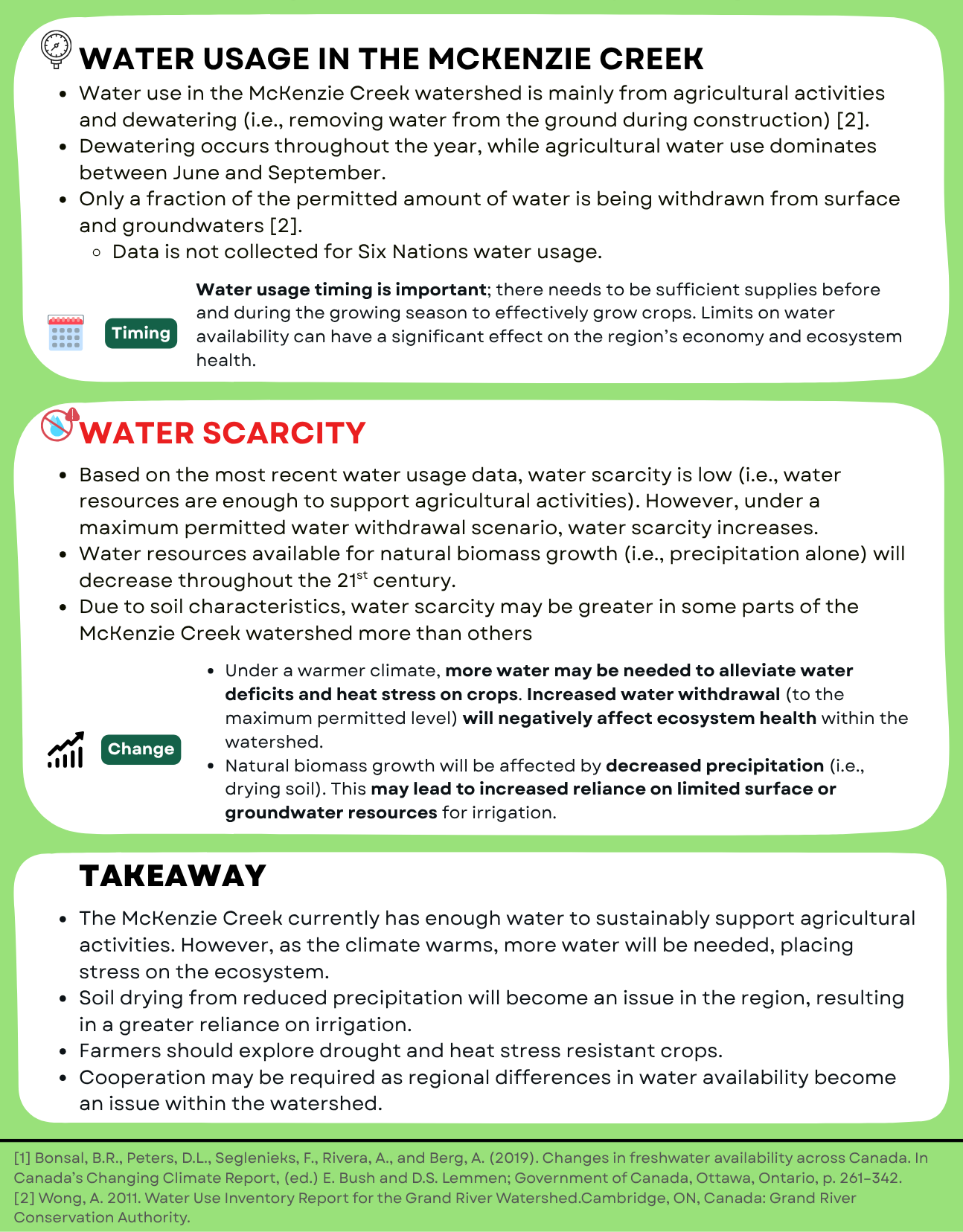
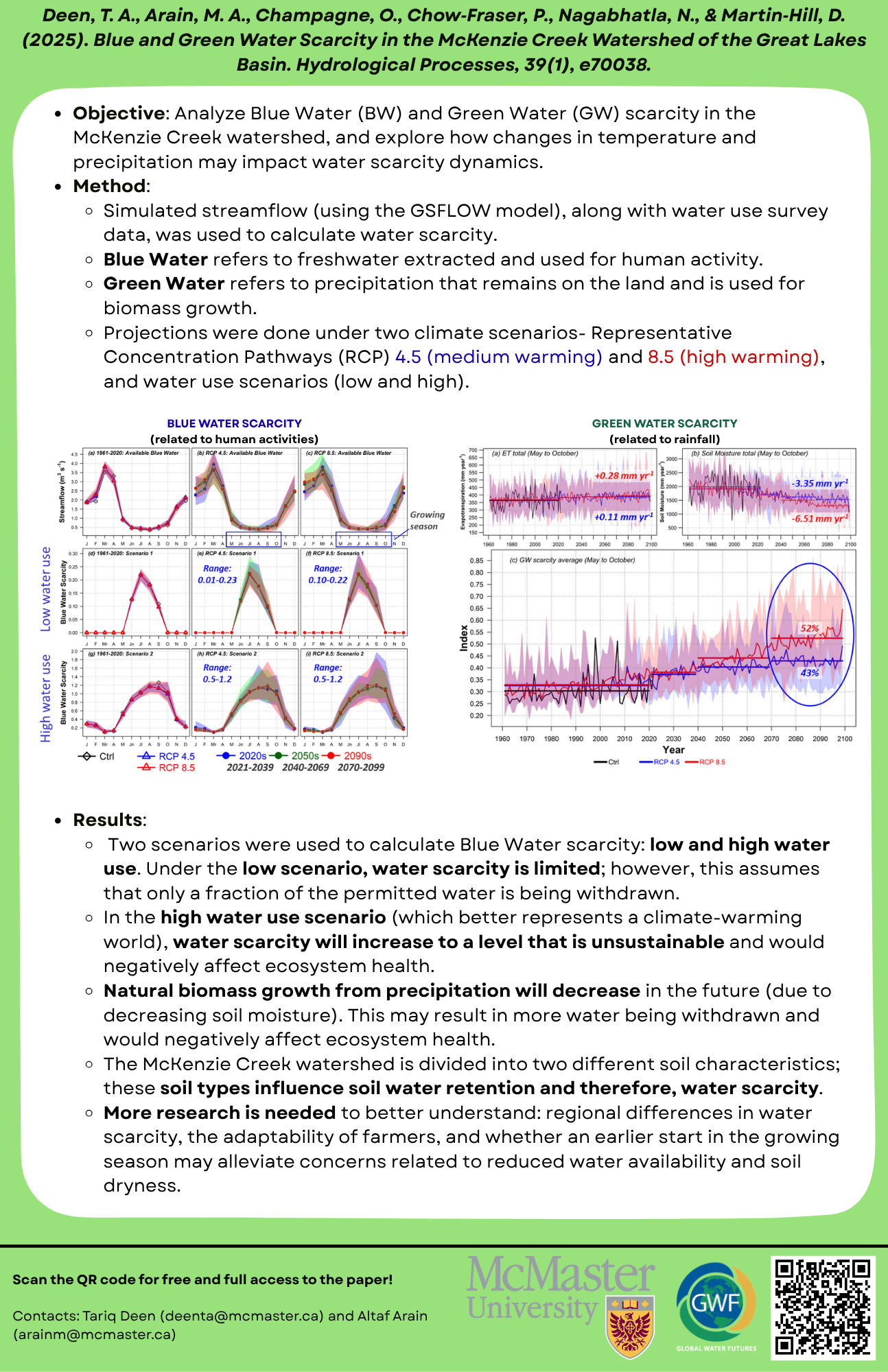
McKenzie Creek Streamflow
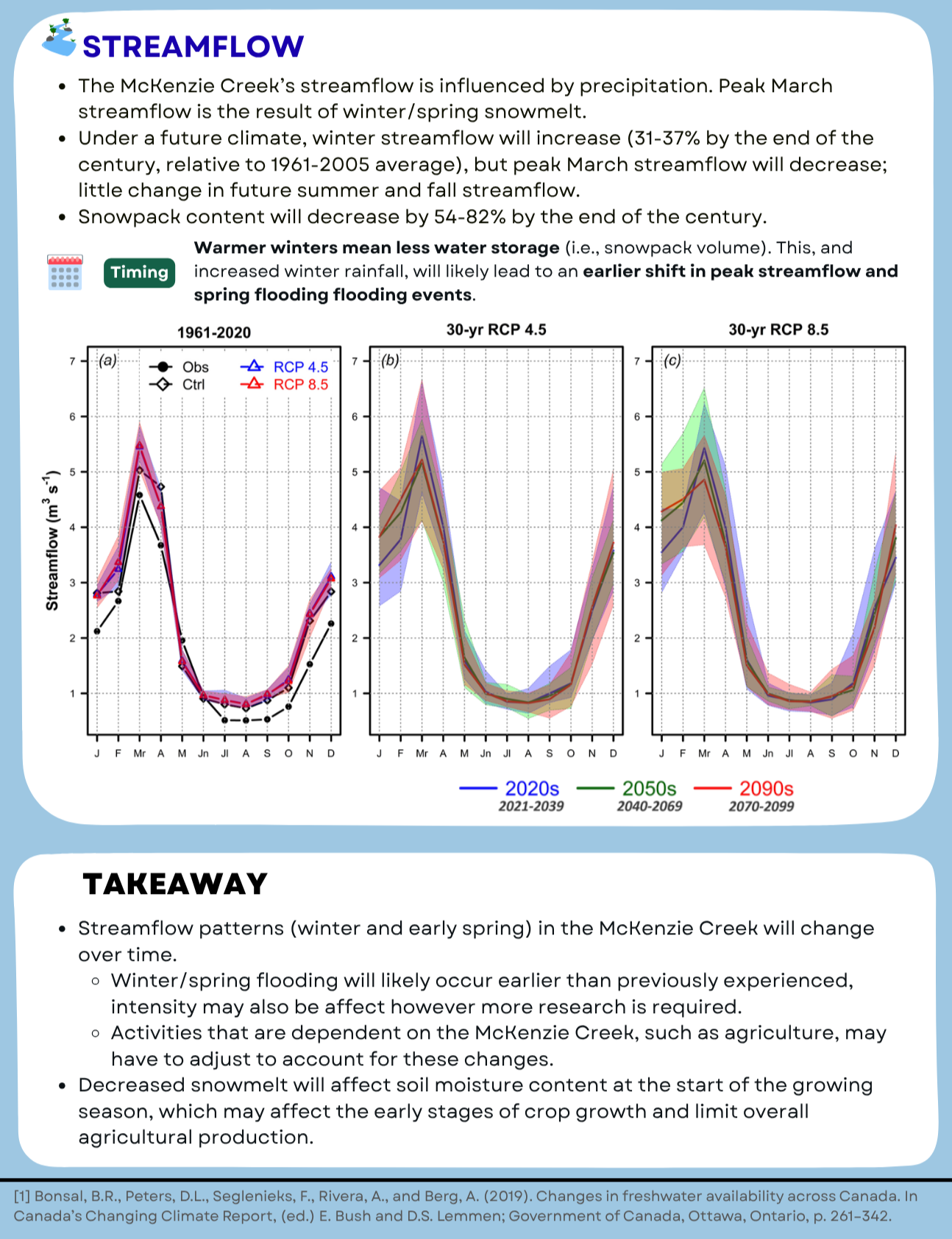
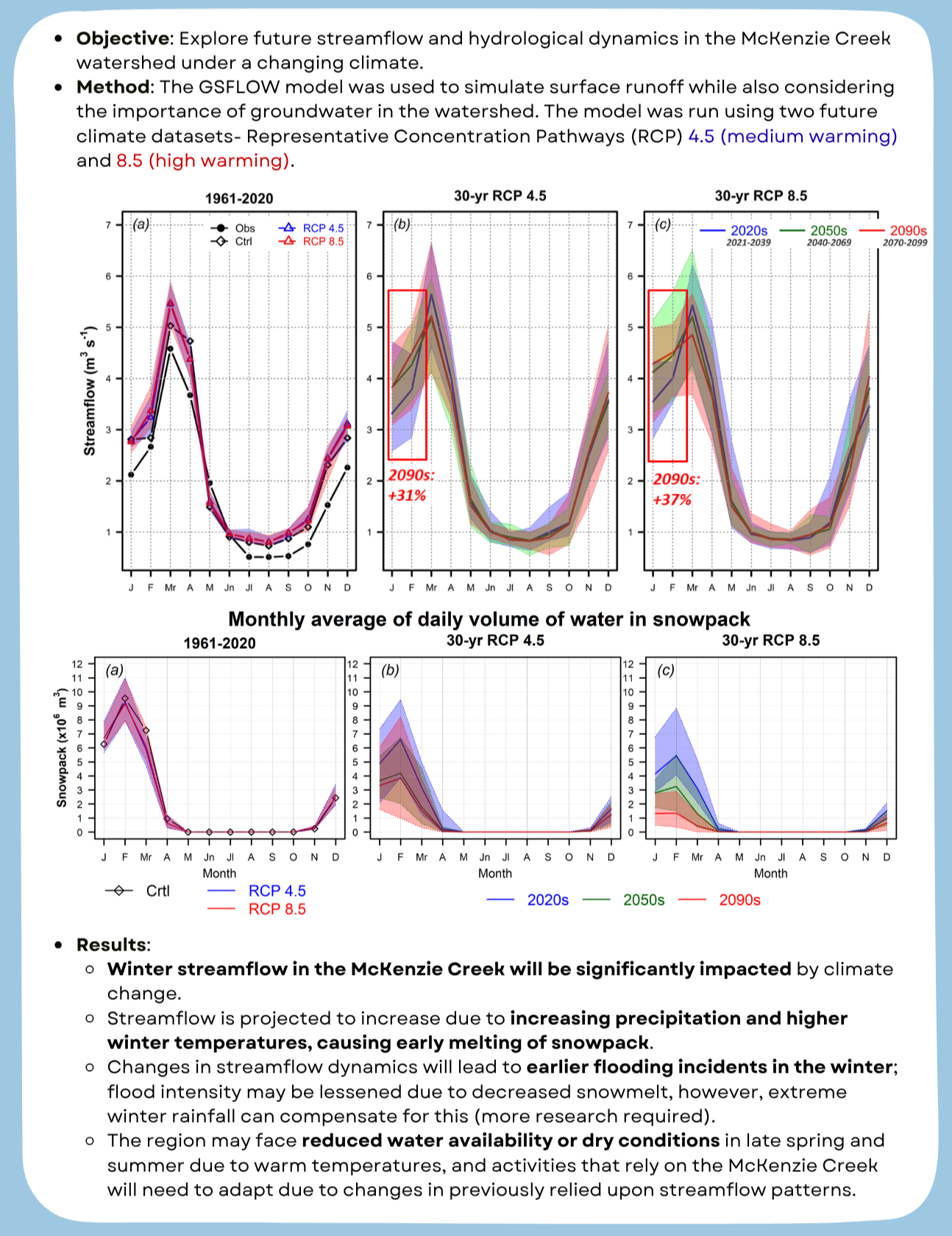
Warming temperatures and shifting precipitation patterns are altering streamflow dynamics in Canada. Increased winter/spring rainfall and temperature has resulted in earlier peak flows and greater flood risks, while reduced summer precipitation lowers baseflows, stressing water supplies. More frequent, intense storms overwhelm drainage systems, causing flash floods, whereas prolonged dry spells reduce groundwater recharge. These changes disrupt ecosystems, water quality, and infrastructure resilience.