GCTW Researchers Lead Community-Based Participatory Research on Water and Climate Resilience in the City of Toronto
By Dr. Amanda Shankland, Dr. Carolyn Johns, Tia Kennedy, and Kelsy Chan
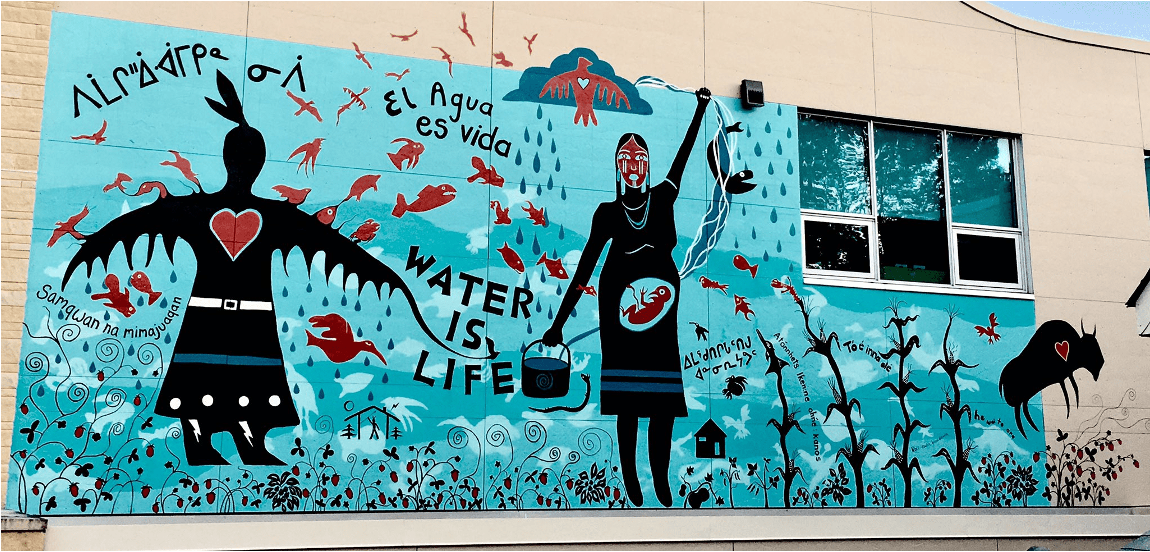
“What water raised you?” Following an Indigenous opening, this was the question that began our recent visioning sessions on water and climate governance in the City of Toronto. The responses were deeply personal and revealing. One participant said the water that raised him was that in his mother’s womb, another reflected on the rain that sustained her family farm on the dry prairies. Others spoke of Lake Ontario and childhood memories that shaped their sense of belonging and responsibility.
From the outset, these sessions moved beyond conventional approaches of social science and governance research. Guided by Indigenous values and worldviews, participants were invited to reflect on their relationships with water and climate. The research sessions were organized by members of GCTW’s Climate Ready Communities and Transboundary Governance (CRTG) team, a group of researchers leading a community-engaged research program focused on water governance and climate resilience in Toronto.

The goal of the research sessions was to allow diverse peoples within Toronto to share their perspectives, concerns, and thoughts about climate change, water change, and community resilience. The research sessions created space for intercultural and intergenerational dialogue with five sessions held in community centers across Toronto in Fall 2025: with Indigenous peoples, youth and seniors, Black and racialized communities, newcomers, and shoreline residents. Using a community-based participatory research approach, the sessions emphasized co-producing knowledge with participants. Each session opened with an introduction about Indigenous knowledge generation and a discussion focused on water and communities. Conversations were structured around five research questions designed to explore how water and climate-related changes are experienced across diverse populations and what meaningful resilience may look like from the perspectives of those most affected.
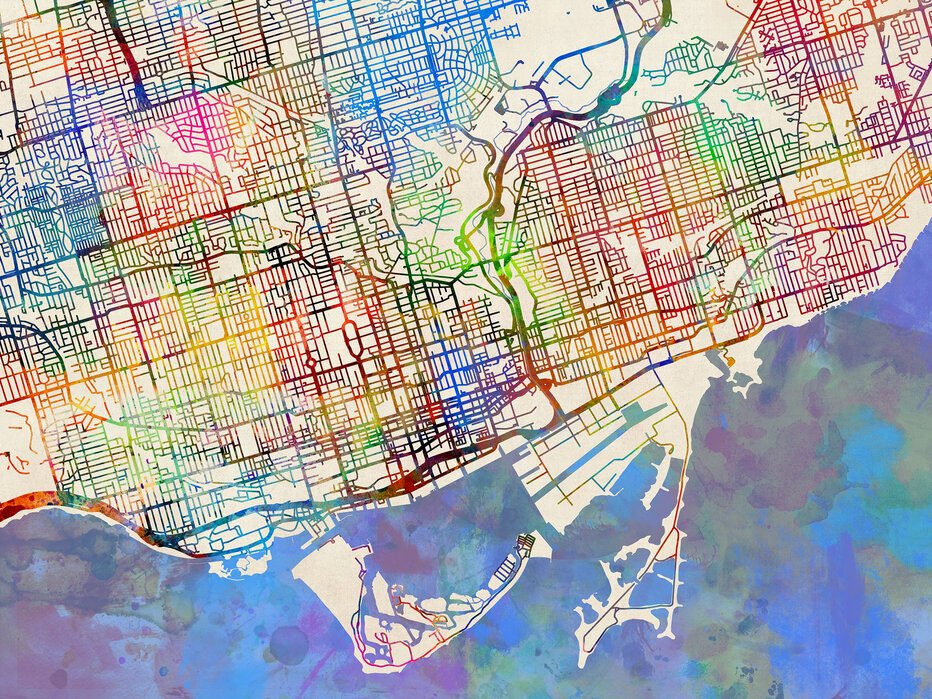
Street map of the city of Toronto.
Participants highlighted the importance of relational approaches to water governance and climate change, particularly through Indigenous perspectives that frame water as a living being. The Intergenerational session surfaced generational divides on water and climate change issues, including concerns about gaps in environmental knowledge and a lack of urgency around future action. Participants from the Black and Racialized and the Newcomer groups highlighted how climate change intensifies existing systemic inequalities, particularly around flood risk, heat waves, and gaps in infrastructure. The sessions gathered insights related to how communities experience climate change and water change from different perspectives. The conversations also generated practical policy insights, including the need for more equitable infrastructure investments, inclusive governance and policy processes, and community-led adaptation planning.
These sessions demonstrate that building climate resilience requires more than traditional social science research and technical planning. It calls for governance that meaningfully integrates lived experience, cultural knowledge, and community expertise. For the Global Center, this work strengthens our understanding and commitment related to centring Indigenous knowledge, understanding environmental justice, using alternative and more inclusive research approaches, and deepening our understanding of the importance of collaborative approaches to climate resilience and water governance in both urban and transboundary contexts. We look forward to sharing the detailed results of our research in the coming months.