
“Agua es Vida”—Water is Life. Reflections and perspectives from time spent in Cuenca, Ecuador
Written by Vianey Rueda
On September 16, 2025, more than 100,000 Ecuadorians flooded the streets of Cuenca to raise their voices against mining activities in the páramo of Kimsakocha. In a massive show of solidarity to protect the four rivers on which the city depends—Machángara, Tomebamba, Yanuncay, and Tarqui—the demonstration has since become known as the "fifth river." In Ecuador, both the human right to water and the rights of nature are recognized in the 2008 Constitution, providing a powerful legal foundation for these efforts to protect water and the ecosystems that sustain it.I learned about this movement during my two weeks in Cuenca as a Pathways Fellow. As part of the larger Transect of the Americas initiative, the Pathways Fellowship brings together researchers from across the American continents to study headwater-dependent systems and the communities that rely on them. During the program, fellows learn alongside students from the University of Cuenca, exploring the complex relationships between water, energy, mining, and society from an interdisciplinary perspective.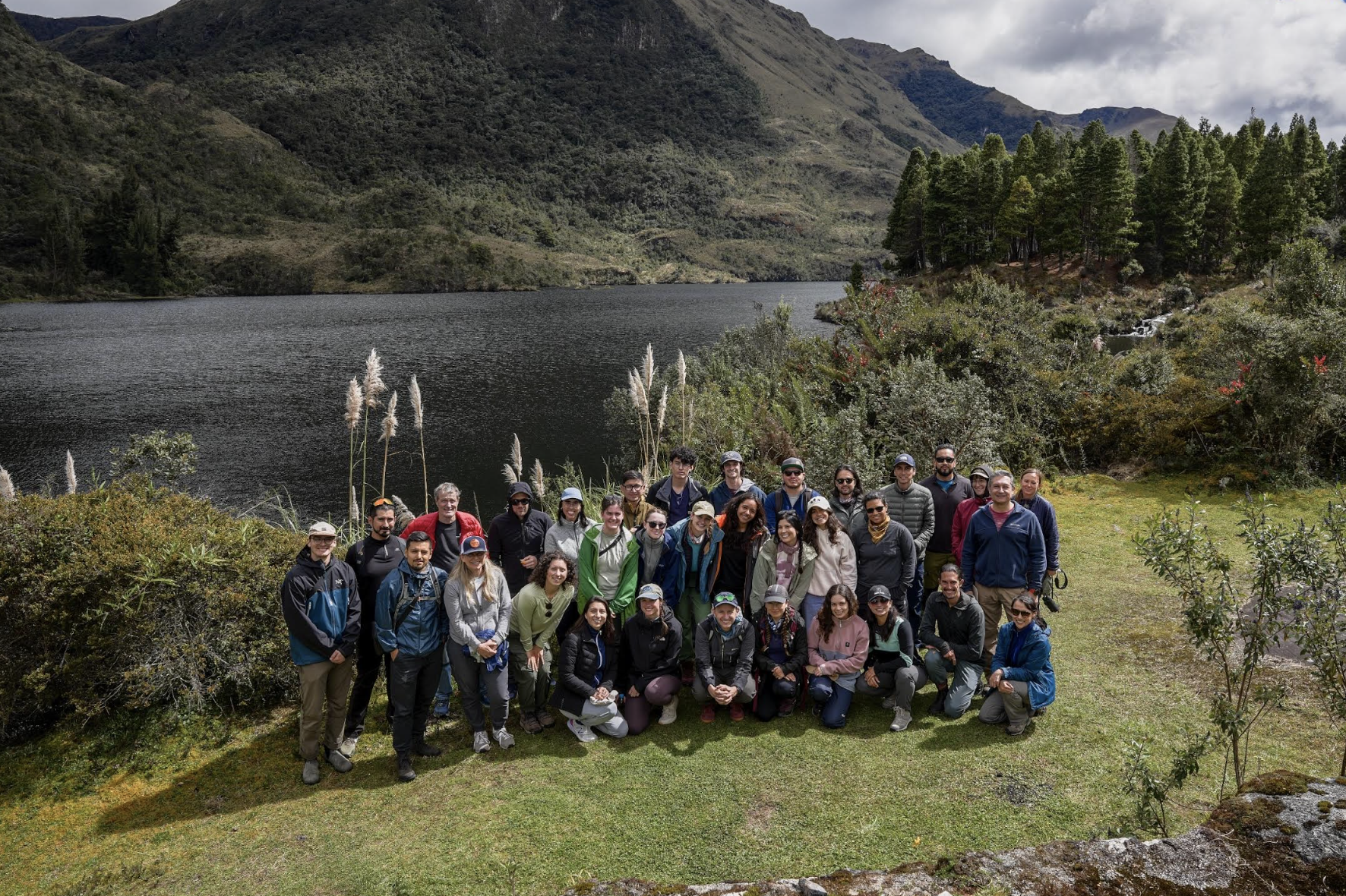
Photo of the Pathways Fellowship Group
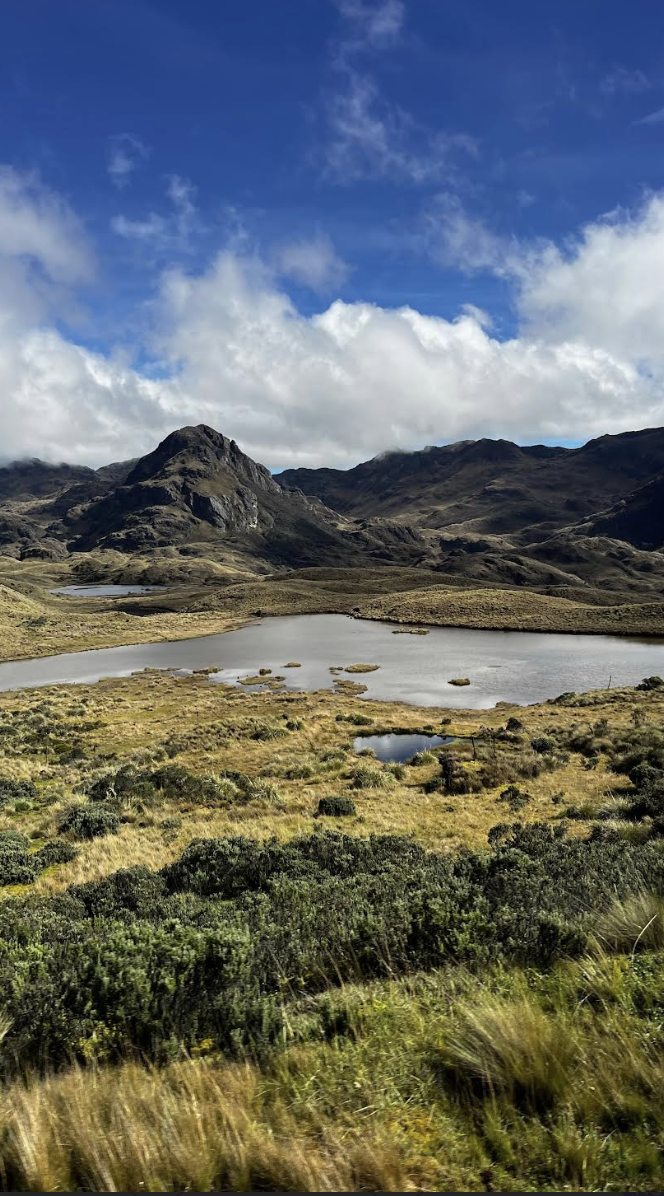
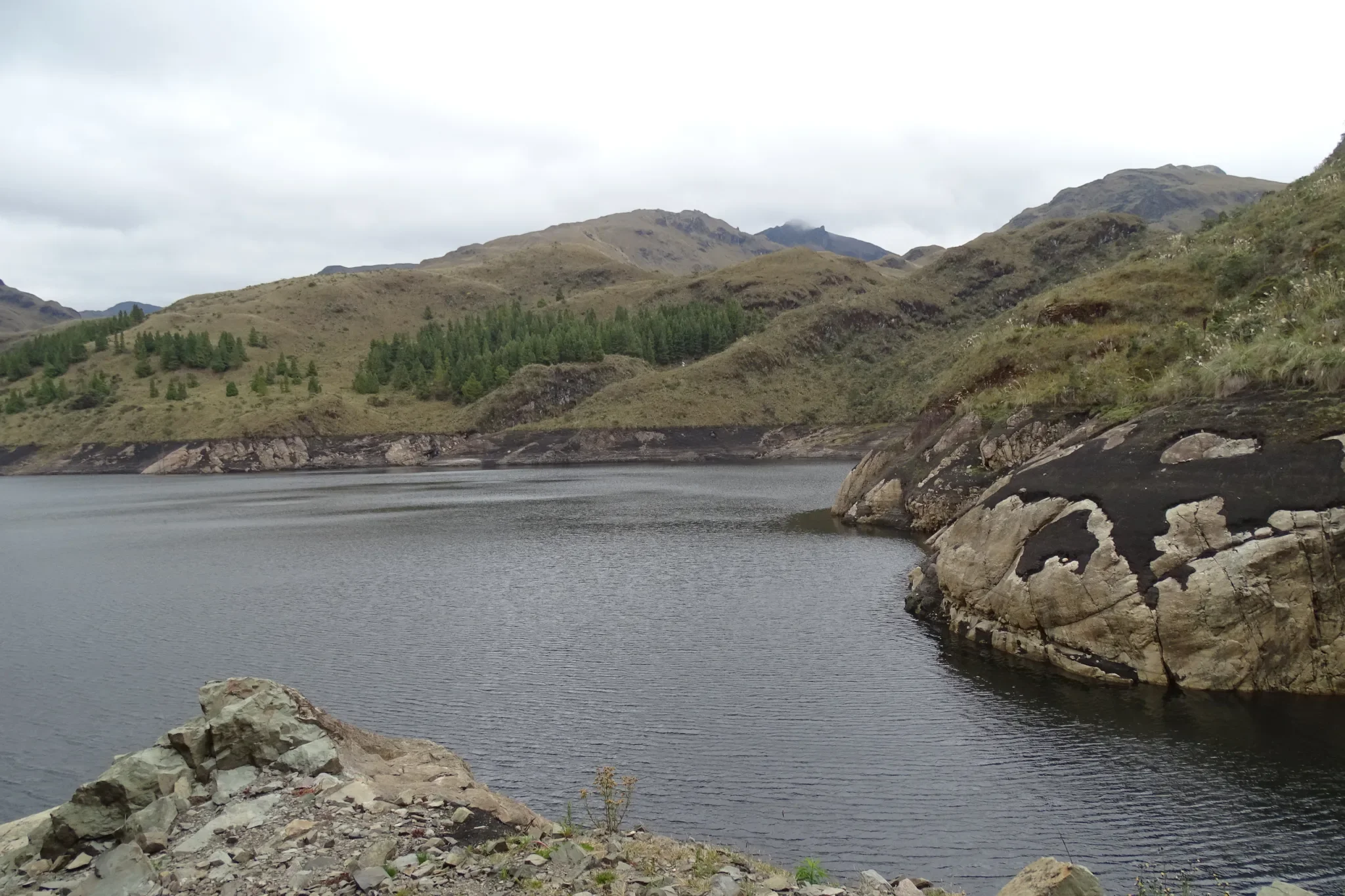
Cajas National Park
Despite constitutional protections, the fight for clean and affordable water in Cuenca, and across Ecuador, remains an uphill battle. Yet what struck me most was not the conflict itself, but the collective commitment to defending the rivers that sustain everyday life. Walking through the city, it was impossible to miss reminders that "Agua es Vida"—Water is Life. The phrase appeared on banners, bridges, walls, and pamphlets, reflecting a shared understanding that water is more than a resource, it is the foundation of community, culture, and survival.That perspective challenged me to think differently about my own research on the Rio Grande. Along the U.S.-Mexico border, conversations about water are often framed as conflict: cities against agriculture, people against ecosystems, the United States against Mexico. As drought intensifies and supplies become increasingly uncertain, many view water management as a zero-sum game in which one group's gain must come at another's expense.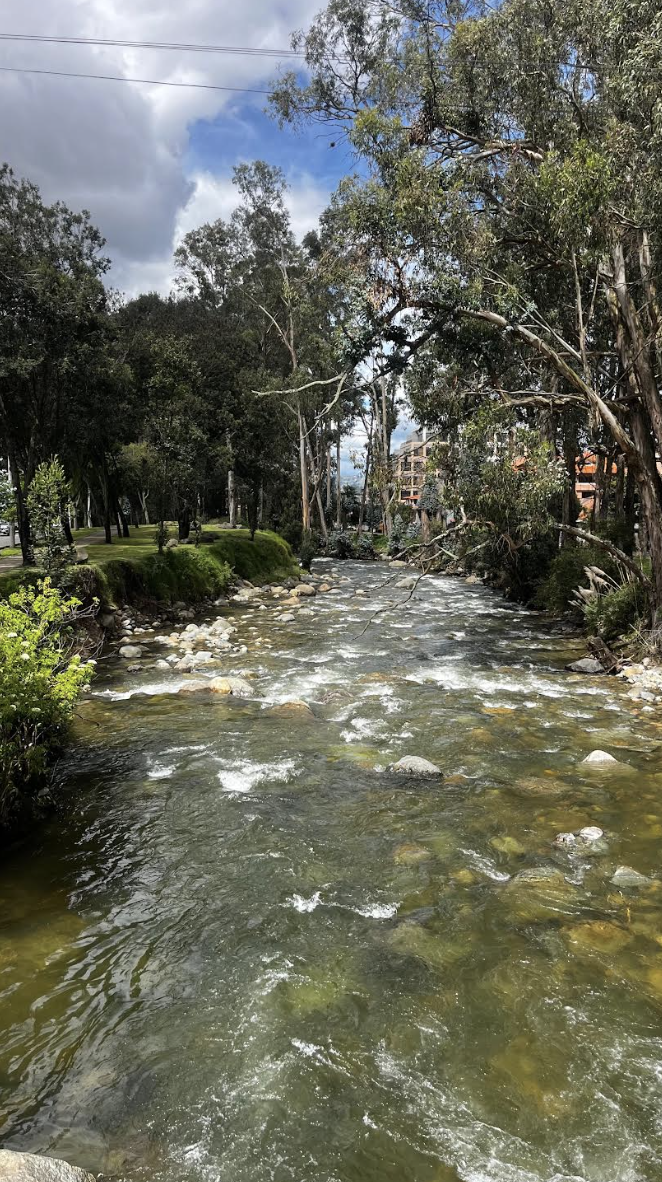
Tomebamba River
My research examines how the 1944 Water Treaty governing the Rio Grande might be modernized to address twenty-first century challenges, including prolonged drought, ecosystem degradation, and growing water demand. Rather than treating human and environmental needs as competing priorities, I seek to identify approaches that recognize their interdependence. The goal is to help build a more resilient and equitable future for the millions of people who depend on this shared river system.As an El Pasoan, this work is deeply personal. The Rio Grande is not simply a research subject, it is part of the community that shaped me. My experience in Cuenca reinforced the idea that meaningful research is not diminished by personal connection. Through ongoing collaboration with Indigenous partners and communities, I have come to appreciate forms of knowledge that recognize humans as part of the systems they study, rather than separate from them.
The challenges of the Rio Grande are perhaps more obscure than those of Cuenca, hidden behind a wall and layers of barbed wire; hidden behind politics and failures of diplomacy. Unlike Cuenca's rivers, they can be easy to overlook. Yet the lesson I carry home from Ecuador is that rivers are ultimately sustained by the communities willing to defend them. Just as the people of Cuenca united to create a "fifth river," communities along the Rio Grande must find ways to come together, not only to secure their right to water, but to imagine a shared future for the river that connects them.